i[email protected] | +1 509 607 9496

sTRIVE TO BECOME BETTER
RANK
GRADING FOR BELT RANK
Kyokushin grading is a transformative journey—designed to break through self-doubt and awaken deep self-awareness. Through intense physical and mental challenge, students are pushed to their limits. What emerges is a clearer mind, a stronger sense of purpose, and an unshakable commitment to growth.
GRADING CRITERIA
Belt testing is a comprehensive evaluation that challenges candidates to meet or exceed the standards set for each rank. Grading follows World So-Kyokushin international criteria, with additional requirements defined by the branch chief or dojo operator.

Power Test
Physical conditioning for endurance, basic techniques

Kata
Traditional forms and movements at basic and advanced levels

Weapons
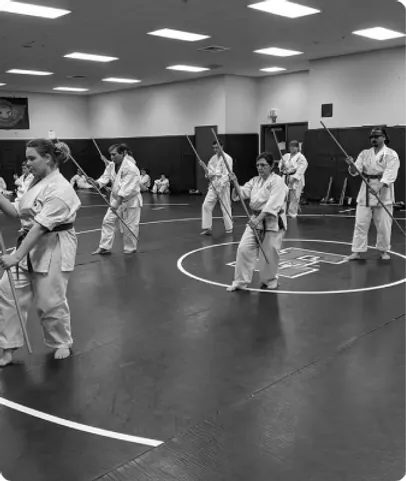
Traditional weapons nunchaku, escrima, bo, tonfa, and sai

Self Defense
Hand-to-hand techniques against single and multiple attackers

Jiu-Jitsu
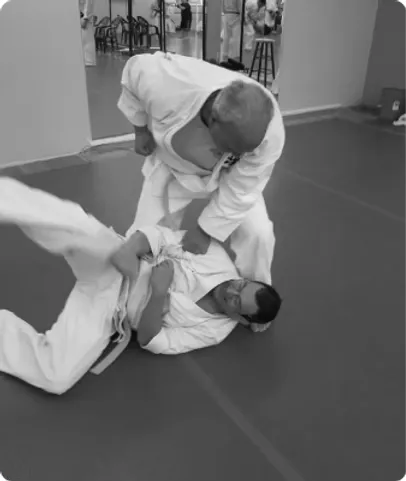
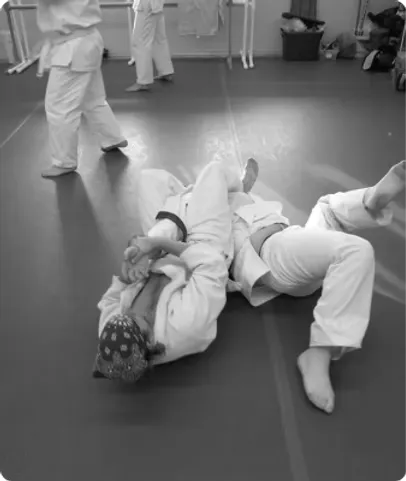
Throws, takedowns, submissions, and ground fighting

Kumite
Bare-hand integrative fighting against consecutive opponents
RANK REQUIREMENTS
In Kyokushin, rank is never given—it is earned.

Every belt must be achieved through hard work, personal growth, and meaningful contribution. At our dojo, we follow international World So-Kyokushin standards while honoring our local culture rooted in discipline, self-awareness, perseverance, and strength—both physical and emotional.
Our belt grading process is intentionally rigorous. It challenges students to push their limits, reflect deeply, and demonstrate progress not only in technique but in character. Advancement requires consistent effort, internal motivation, and service to others.
All students—especially children—are expected to maintain a martial arts journal to track their belt requirements, reflect on progress, and identify areas for improvement. Journaling cultivates self-assessment, accountability, and intentional learning, building a lifelong foundation of growth.
In our modern era, the true meaning of Bushido is often diluted—overshadowed by the pursuit of medals, belts, and short-term glory in sport karate. Kyokushin is different.
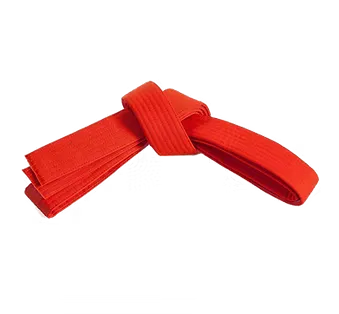
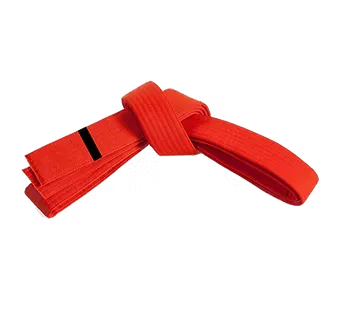
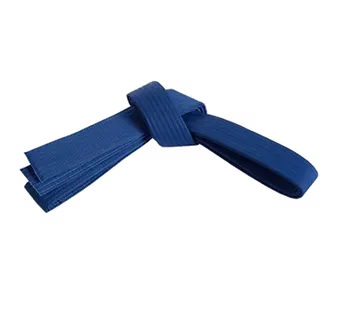
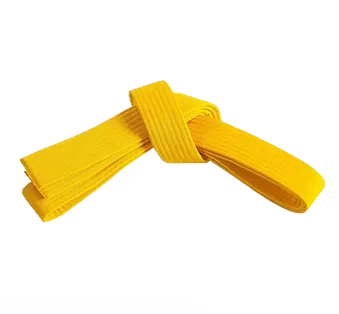
Belt Rank Overview:
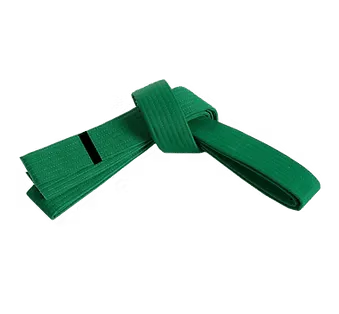
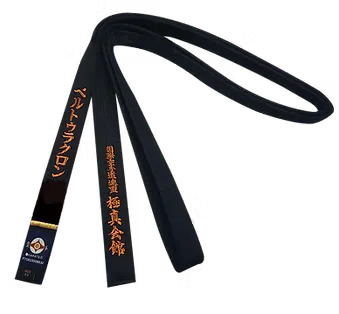
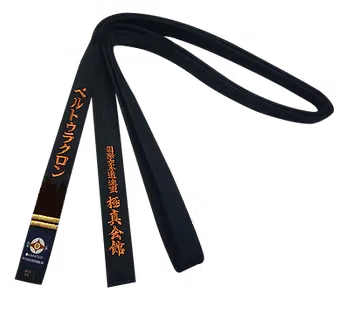
Adult ranks follow solid belt colors (shown below).
Junior ranks mirror these colors with a white stripe (not shown).
Criteria for each rank are outlined below and may be adapted for younger children or older adults to support safe, developmental growth.
All students—especially children—are expected to maintain a martial arts journal to track their belt requirements, reflect on progress, and identify areas for improvement. Journaling cultivates self-assessment, accountability, and intentional learning, building a lifelong foundation of growth.
In our modern era, the true meaning of Bushido is often diluted—overshadowed by the pursuit of medals, belts, and short-term glory in sport karate. Kyokushin is different.





REQUIREMENTS BY GROUP
GRADING CRITERIA
Grading criteria are also organized by group across belt ranks. This helps each student to determine the development
progression needed to progress in a specific area of karate training.

Copyright © 2026 ULTIMATE TRUTH LLC