
your kid will learn to lose well.
Everything else - the focus, the confidence, the discipline you've heard a hundred dojos promise - comes out of that. Not the other way around.
read this first
We should tell you what happens here.
01
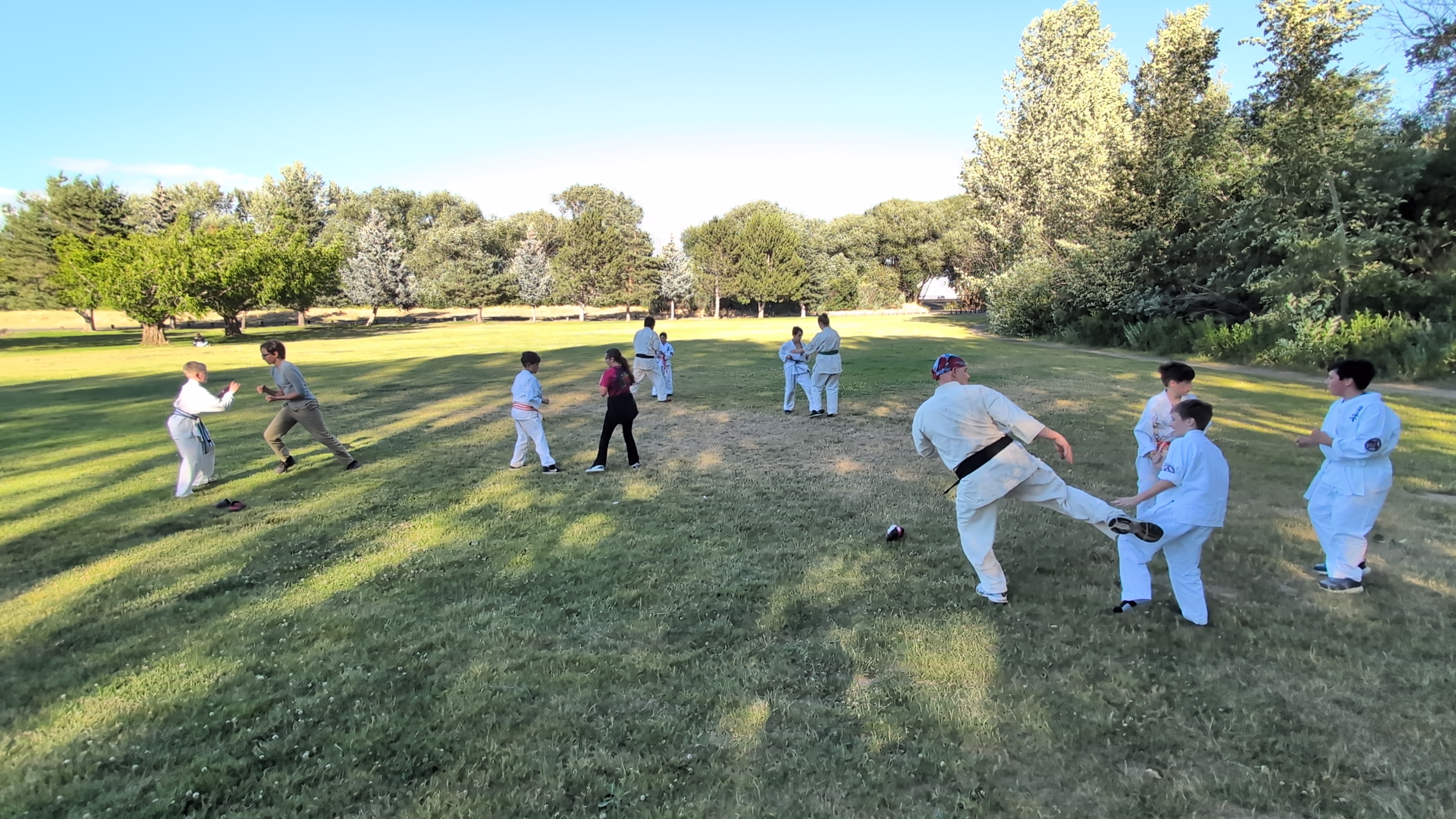
children fight at this dojo
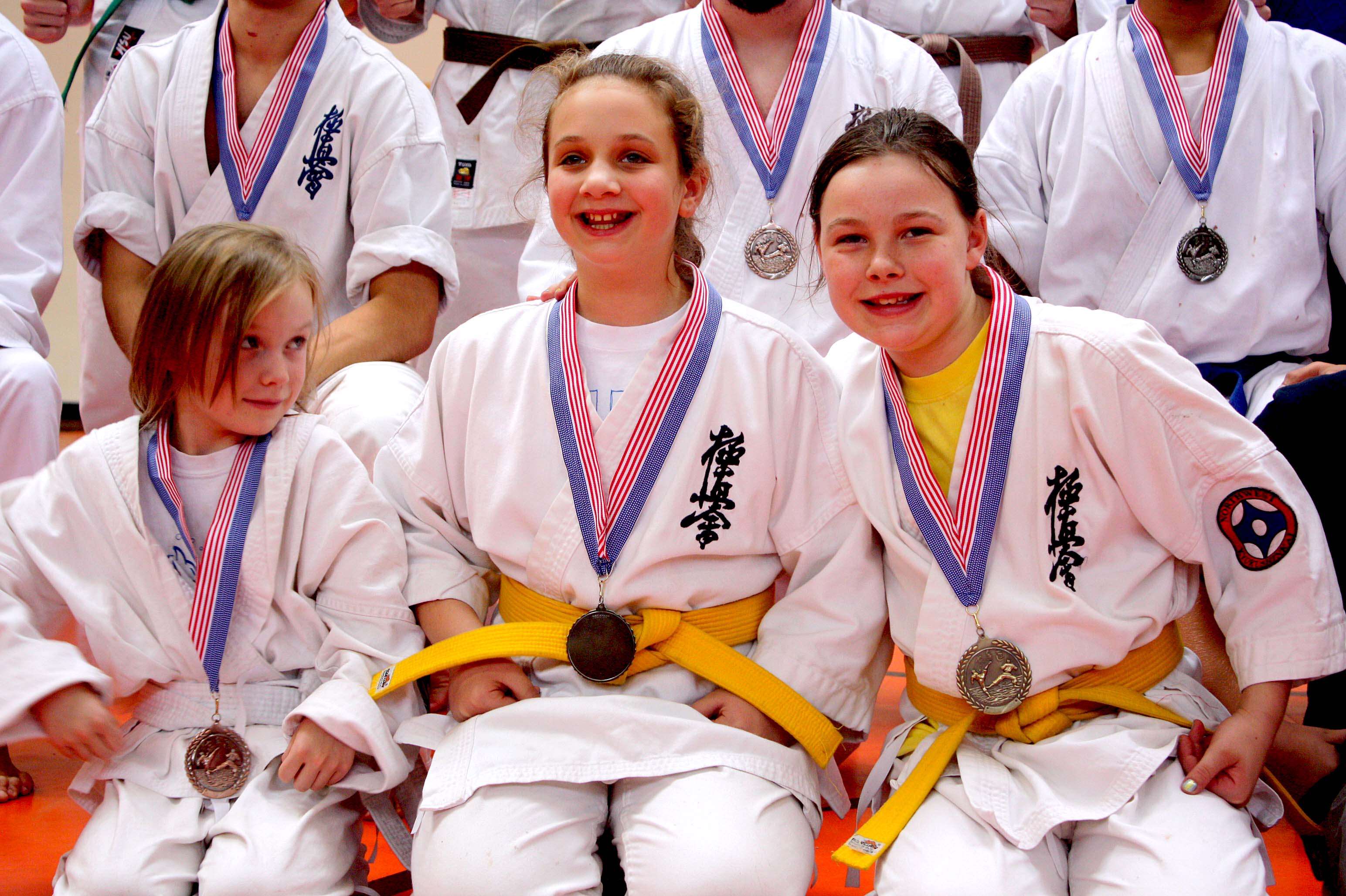
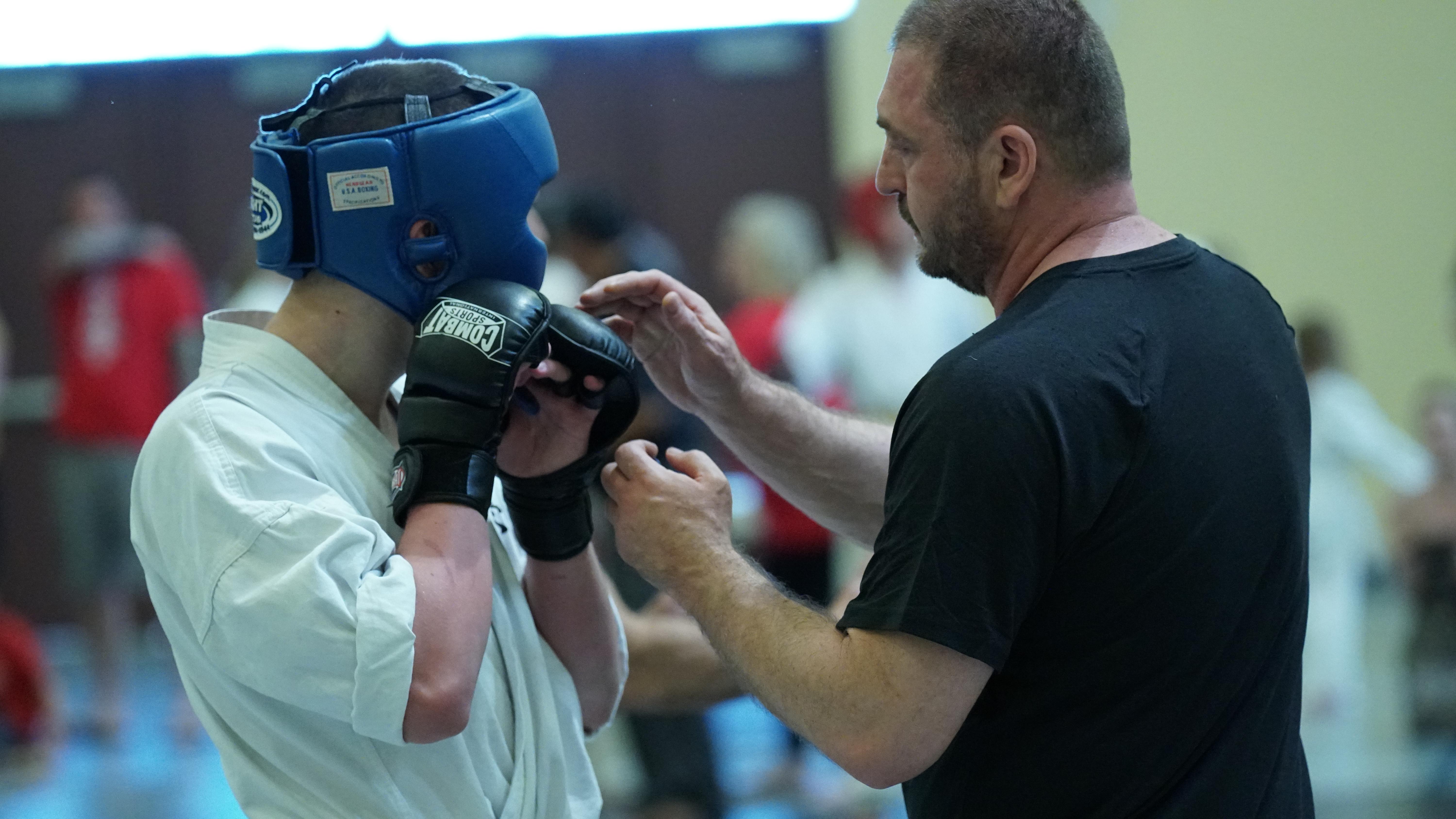
Supervised bouts begin early and build with experience. Controlled, matched by size and ability, and closely watched -but real, with contact.
02
promotions aren't scheduled
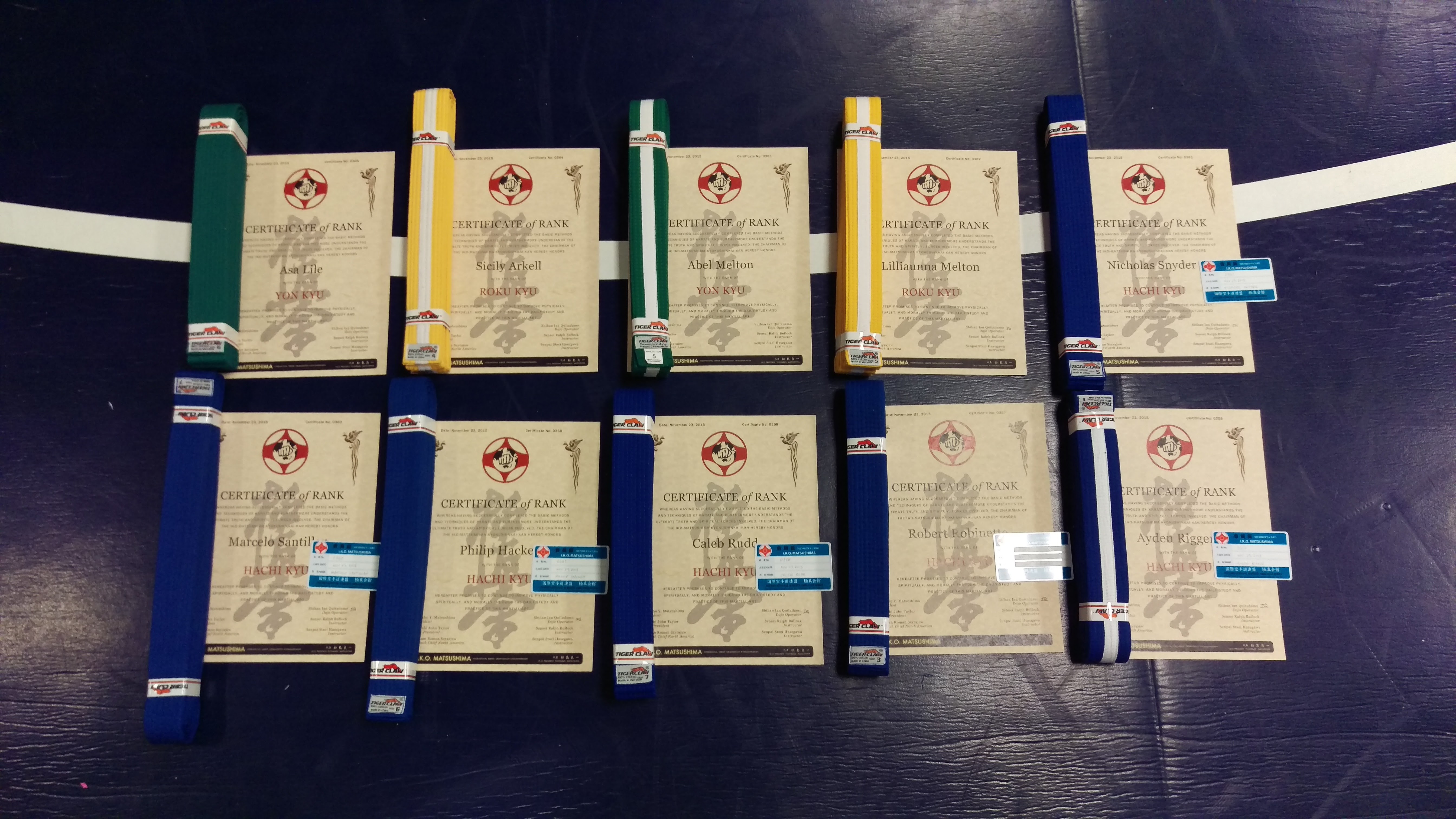
Our expectations say it plainly, on every rank sheet: time alone does not earn promotion. If your child isn't ready, they don't grade, and we will tell you why.
03
we will be honest with them
When a technique is wrong, we say so. When they aren't trying, we say that too - kindly, but without pretending otherwise. Consequences matter.
If you want a school where every kid gets a trophy, we are the wrong dojo.
If that isn't the environment you want for your child, we'd rather you find out now than later. There are gentler places to train; some of them are good.
what they actually get
Three things we can measure.
Every dojo claims discipline, respect, and confidence. You've heard it, you can't verify it, and you've probably stopped believing it. So here is what is actually written into the junior curriculum and examined.
one
they learn what real pressure feels LIKE
A child who has been hit - safely, with an instructor two feet away - knows something about themselves that cannot be taught in a classroom. They found out they don't fall apart. Almost nothing else in a modern childhood offers that.
two
they learn to assess themselves honestly
Every week, at every rank, they answer 3 questions in writing. What went well. What didn't. What am I going to do about it. It's a requirement, not a suggestion. It is a valuable, portable skill. Many adults have never built this habit.
three
They learn that the standards don't move for them
Not for effort, not for enthusiasm, not because everyone's parents are watching. Rank is earned or it isn't. Which means when your child earns a belt here, they know it wasn't given to them - and children can always tell the difference.
the part parents tell us about
it isn't the kicks.
Every junior student keeps a binder. The syllabus goes in sheet protectors. A dry-erase marker checks off what they can do on their own - not what they've been shown, what they can actually do. And every week, they write.
It sounds like homework and children resist it at first. Then somewhere in the second year, a parent will tell us their kid used the same three questions on a bad math test, or a fight with a friend, or a game they lost. That's the transfer. Not the roundhouse kick.
every week · every rank · white belt to black
1 what has gone well
2 what has not gone well
3 what you need to do to improve
Instructors read them. The journal is part of what determines whether a child is ready to grade.
the junior curriculum
what we ask a child to become.
These are the graded objectives of the junior syllabus; not the technique lists, but the thing each rank is actually asking for. Read them in order. They are not only about karate.
white
Learn how to train. Build the habits of respect, attention, effort, and dojo etiquette that everything else depends on.
orange
Build a foundation of balance, coordination, and basic technique. Move with control, listen carefully, and train with purpose.
orange + stripe
Demonstrate observable competence in the fundamentals. Understand where Kyokushin came from and who Mas Oyama was.
blue
Build confidence and consistency in the basics. Practice justice, loyalty, compassion, and honesty - the virtues taught explicitly.
blue + stripe
Develop a growth mindset and apply what you know in defined circumstances. Train hard, learn from setbacks, and allow time to recover.
yellow
Begin developing a mindset of service and leadership. Practice zanshin, mushin, and fudoshin: alert awareness, a mind free of fear, and an immovable will.
yellow + stripe
Perform with increasing precision, power, and composure. Make good decisions under pressure and begin helping those coming behind you.
green
Integrate technique, movement, timing, and strategy. Adapt to changing situations while maintaining control, discipline, and sound judgment.
green + stripe
Train with greater independence and accountability. Recognize weaknesses, correct them deliberately, and help strengthen the dojo around you.
brown
Demonstrate advanced competence, resilience, and self-control. Lead by example, perform under pressure, and take responsibility for your own development.
brown + stripe
Prepare to become a black belt, not simply earn one. Refine the details, strengthen others, and demonstrate the character, judgment, and consistency expected of a senior student.
Notice the progression across belts. The goal is not simply to perform a better kick; your strength, coordination, technique, and endurance are expected to improve with training and time. The real lesson is learning to critically self-reflect, recognize that you are responsible for your own progress, and make adjustments without constantly being told. Over time, you learn to think beyond yourself and serve others. The ability to help someone else improve their life is the point of the whole thing, and the reason we bother.
what parents ask
the questions you actually have.
Will my child get hurt?
Bruises, yes, eventually. Injuries, rarely - and less often than in soccer or gymnastics. Sparring is matched by size and ability, supervised at arm's length, and no child fights before they've learned to protect themselves.
My kid is shy. Is this too much?
Often it's the opposite. Shy children do well here, because the structure is clear, nobody is put on the spot, and progress is visible. We don't push a child into anything they aren't ready for.
What's the youngest you take?
Seven, generally — but it depends on the child. Bring them to a class and we'll tell you honestly whether they're ready. Sometimes the answer is "come back next year."
will this make my kid aggressive?
No - and it's the most common fear. Children who know they can fight have markedly less need to prove it. Our code of conduct is explicit: never provoke violence, never use rank to manipulate, defend yourself and others.
how long until a black belt?
Years, and we won't give you a number. You grade when you are ready. That's the honest answer, and any school that gives you a date is telling you something about the quality of their training and their belts.
what if they want to quit?
Many kids do, somewhere. Learning to persevere is core to what we do here. We'll tell you when it's a rough patch worth pushing through and when it isn't - and we'd rather you trust us on that than have us sell you a membership.
can i watch?
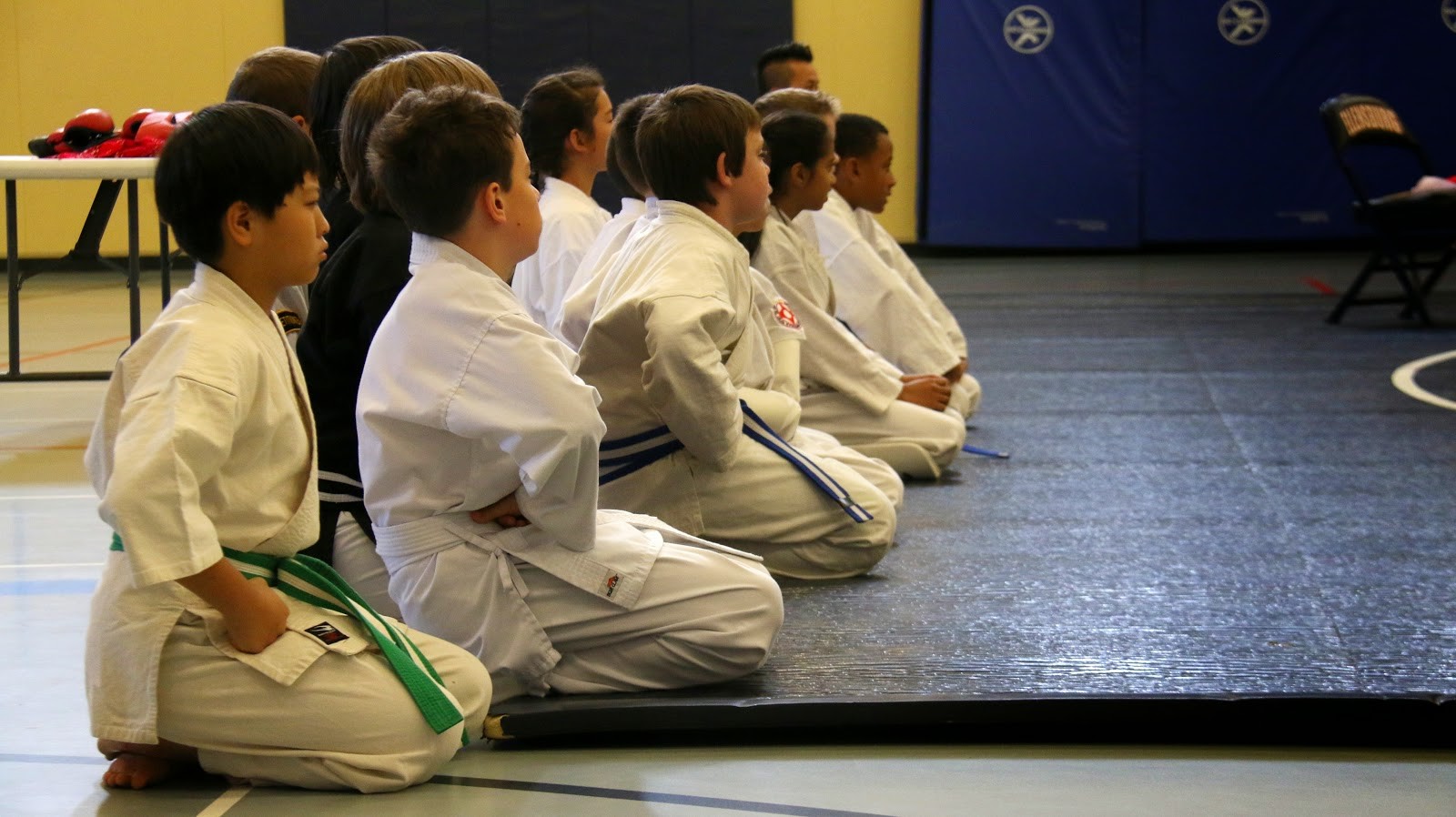
Yes. Sit at the back and watch any time. Most parents enjoy seeing their children train firsthand and watching their progress over time. Many have told us how much they value the training and the positive effect it has had well beyond the dojo. We have nothing to hide, and you’ll learn more about what we do by watching one class than from anything we could put on this page.
can i train too?
The adult class starts as soon as theirs ends, at 6:30. Family rates apply, and it’s very common for parents and children to train back-to-back.
practice
when we train and what it costs.
We publish our curriculum, our standards, and our prices. We want you to know what you are in for.
junior class
Ages 6+
Tues + thurs 5:30 - 6:30 pm
first 7 days
free
one student
Adult or youth
$130 / mo
two students
Same family - 10% discount
$235 / mo
three students
Same family - 15% total discount
$335 / mo
Your child doesn't need anything to start - a t-shirt and something they can move in is fine. Once they decide to stay, uniform and equipment are purchased through the dojo. That is a safety policy, not a sales one, and it's explained below.
The adult class runs 6:30–8:00, immediately after. If you train too, family rates apply, and you'd be surprised how much faster a kid progresses when a parent is learning alongside them.
uniform and equipment
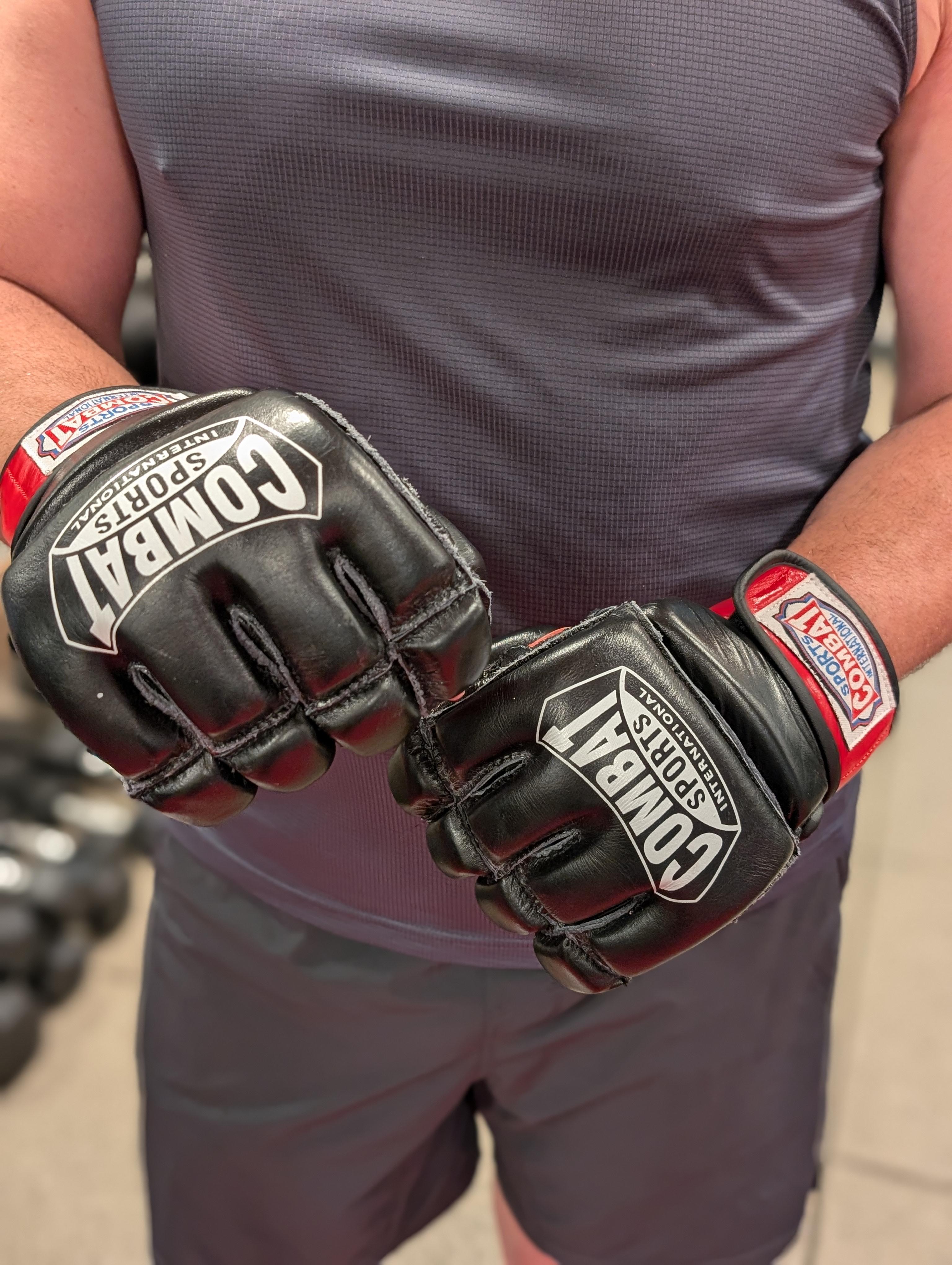
we don't let children train in gear we haven't vetted.
All uniforms and protective equipment are purchased through the dojo. We work with vetted suppliers, and we can confirm that what your child wears meets the safety standards we train to.
This is not a revenue policy. The market is full of cheap protective gear that looks correct and fails under contact - headgear that shifts, shin guards that slide, gloves that don't protect the hand they're on. Your child will be hit while wearing this equipment. We are not willing to find out the hard way that it wasn't good enough.
If you already own equipment, bring it in. A senior instructor will look at it, and if it meets the standard, your child trains in it. If it doesn't, we'll tell you why - and you'll probably be glad we did.
the rules, so you can plan

Nothing is needed to start. A t-shirt and something they can move in. Bare feet.
Uniform and gear come through the dojo. Vetted suppliers, confirmed to standard.
Existing equipment must be approved by a senior instructor before it goes on the floor.
We do not compromise on this. Not for cost, not for convenience, not because it looks fine.
bring them to watch a class.
Sit at the back. See what a Tuesday actually looks like. If it's right for your child, you'll know - and so will they.


Copyright © 2026 Ultimate Truth LLC